
Introduction:
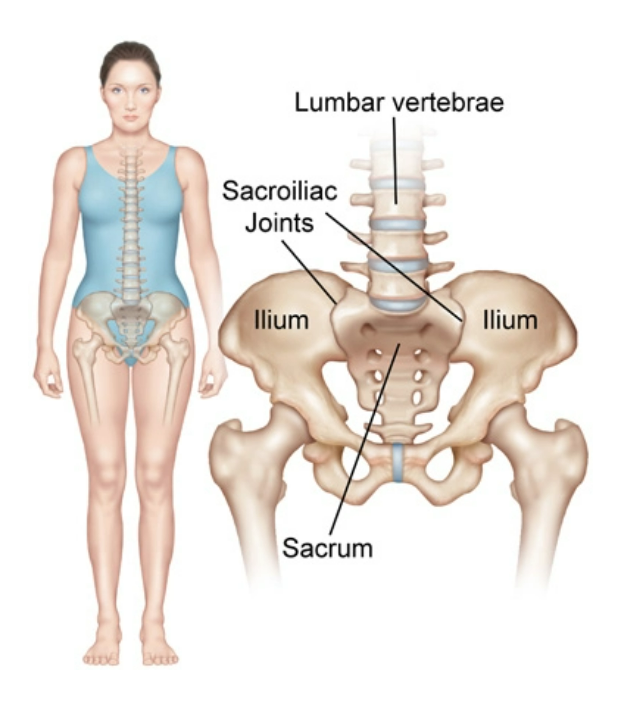
Sacroiliac Joint Pain can be debilitating and life-altering for many individuals. It is a condition that can affect anyone, from professional athletes to regular people who spend extended periods sitting or standing. This pain originates in the Sacroiliac Joint, which connects the spine to the pelvis. The joint is responsible for transferring weight from the upper body to the lower body, and any issues in this area can lead to severe pain.
In this blog post, we will discuss Sacroiliac Joint Pain, its causes, and the treatment options available for it. Specifically, we will focus on how exercise can be an effective form of relief for Sacroiliac Joint Pain.
By the way, if you are suffering from Sevier Back Pain, you can learn more about these Back Pain Supplements and talk to your doctor about it.
What is Sacroiliac Joint Pain?
The Sacroiliac Joint is responsible for transferring weight from the upper body to the lower body. It connects the sacrum (the triangular bone at the base of the spine) to the pelvis. When the joint is inflamed or injured, it can cause significant pain in the lower back, hips, and legs.
Sacroiliac Joint Pain can be caused by a variety of factors, including:
- Trauma or injury to the joint
- Arthritis
- Pregnancy
- Ankylosing spondylitis (a type of inflammatory arthritis)
- Gout
- Infection
Symptoms of Sacroiliac Joint Pain can include:
- Lower back pain
- Pain in the hips or legs
- Numbness or tingling in the legs
- Stiffness in the lower back or hips
- Pain when standing up or sitting down
- Pain when walking or climbing stairs
Diagnosing Sacroiliac Joint Pain can be challenging, as the symptoms are similar to those of other conditions, such as sciatica or herniated discs. Your doctor may perform a physical exam, imaging tests (such as X-rays or MRI scans), or an injection of an anesthetic to confirm the diagnosis.
How Exercise Can Help Sacroiliac Joint Pain:
Exercise can be an effective form of relief for Sacroiliac Joint Pain. Strengthening the muscles around the joint can help support it and reduce the strain placed on it. Additionally, stretching can help relieve tension in the joint and improve flexibility.
Before starting any exercise program, it is essential to speak with your doctor or a physical therapist to determine what exercises are safe for you. The following are some exercises that may help relieve Sacroiliac Joint Pain:
Pelvic Tilts
Pelvic Tilts are a gentle exercise that can help stretch and strengthen the muscles around the Sacroiliac Joint. Begin by lying on your back with your knees bent and your feet flat on the floor. Tighten your abdominal muscles and press your lower back into the floor. Hold for five seconds, then release. Repeat ten times.
Glute Bridges
Glute Bridges are another exercise that can help strengthen the muscles around the Sacroiliac Joint. Begin by lying on your back with your knees bent and your feet flat on the floor. Tighten your glute muscles and lift your hips off the floor. Hold for five seconds, then release. Repeat ten times.
Seated Hip Stretch
The Seated Hip Stretch can help relieve tension in the muscles around the Sacroiliac Joint. Begin by sitting in a chair with your feet flat on the floor. Cross your right ankle over your left knee. Gently press down on your right knee until you feel a stretch in your right hip. Hold for 30 seconds, then switch sides and repeat.
Quadruped Hip Extension
The Quadruped Hip Extension can help strengthen the muscles around the Sacroiliac Joint. Begin on your hands and knees with your wrists directly under your shoulders.
- Physical Therapy for Sacroiliac Joint Pain Relief
- a. Exercises for Sacroiliac Joint Pain Relief
- i. Pelvic Tilt
- ii. Bridges
- iii. Hip Flexor Stretch
- iv. Knee-to-Chest Stretch
- v. Pelvic Clocks
- vi. Lower Abdominal Muscle Contractions
- b. Benefits of Physical Therapy for Sacroiliac Joint Pain Relief
Physical therapy can also be an effective way to manage sacroiliac joint pain. Physical therapists can work with patients to develop a specific exercise program that targets the muscles and joints surrounding the sacroiliac joint. These exercises can help strengthen the muscles and improve flexibility, ultimately leading to decreased pain and improved function.
Some effective exercises for sacroiliac joint pain relief include:
Pelvic Tilt:
Lie on your back with your knees bent and feet flat on the floor. Tighten your abdominal muscles and press your lower back into the floor. Hold for five seconds, then release. Repeat for 10 repetitions.
Bridges:
Lie on your back with your knees bent and feet flat on the floor. Lift your hips off the floor until your body forms a straight line from your shoulders to your knees. Hold for five seconds, then lower back down. Repeat for 10 repetitions.
Hip Flexor Stretch:
Kneel on one knee with the other foot flat on the floor in front of you. Tighten your glutes and shift your hips forward until you feel a stretch in the front of your hip. Hold for 30 seconds, then switch sides.
Knee-to-Chest Stretch:
Lie on your back with your knees bent and feet flat on the floor. Bring one knee up to your chest and hold onto it with both hands. Hold for 30 seconds, then switch sides.
Pelvic Clocks:
Lie on your back with your knees bent and feet flat on the floor. Imagine that your pelvis is a clock face, with 12 o’clock at your belly button and 6 o’clock at your tailbone. Slowly tilt your pelvis back and forth, keeping your feet flat on the floor. Repeat for 10 repetitions.
Lower Abdominal Muscle Contractions: Lie on your back with your knees bent and feet flat on the floor. Tighten your lower abdominal muscles and hold for five seconds, then release. Repeat for 10 repetitions.
Overall, physical therapy can help reduce pain, improve function, and prevent future injuries in individuals with sacroiliac joint pain.
- Other Treatment Options for Sacroiliac Joint Pain Relief
- a. Medications for Sacroiliac Joint Pain Relief
- b. Injections for Sacroiliac Joint Pain Relief
- c. Surgery for Sacroiliac Joint Pain Relief
In addition to chiropractic care and physical therapy, there are other treatment options available for individuals with sacroiliac joint pain. These include medications, injections, and surgery.
Medications such as nonsteroidal anti-inflammatory drugs (NSAIDs) can be used to reduce inflammation and relieve pain. Injections such as corticosteroids or numbing medications can also be used to provide temporary relief of symptoms. In some cases, surgery may be recommended to address more severe cases of sacroiliac joint dysfunction.
It is important to consult with a healthcare professional to determine the most appropriate treatment plan for your specific situation.
Conclusion
Sacroiliac joint pain can be a debilitating condition that can significantly impact an individual’s quality of life. Fortunately, there are many treatment options available for managing this condition, including chiropractic care, physical therapy, medications, injections, and surgery.
Exercise is an effective way to manage sacroiliac joint pain and prevent future injuries.