
Tooth decay symptoms in pregnancy
As a pregnant mother, experiencing tooth decay symptoms can be distressing. The discomfort and pain can feel overwhelming, especially when you’re already navigating the challenges of pregnancy. But take heart, dear reader, for there is hope. In this article, we delve into the world of tooth decay symptoms during pregnancy, shedding light on the causes, signs, and most importantly, the solutions. We understand the unique concerns and fears that come with dental issues during this precious time. That’s why our aim is not just to inform, but to offer reassurance and guidance. You’re not alone in this journey. From understanding the importance of dental care during pregnancy to exploring effective treatment options, we’re here to support you every step of the way. So, let’s embark on this journey together, knowing that relief and brighter smiles await on the other side.
Key Takeaways: Recognizing and Managing Tooth Decay During Pregnancy
- Pregnancy can increase the risk of tooth decay due to hormonal changes and altered eating habits.
- Common symptoms of tooth decay include toothache, sensitivity to hot or cold, and visible holes in the teeth.
- Preventative measures include maintaining a healthy diet, practicing good oral hygiene, and regular dental checkups.
- Safe pain relief options are available for tooth pain during pregnancy, but it’s essential to consult with a dentist.
- Continuing good oral hygiene post-pregnancy is crucial for both the mother’s and the baby’s dental health.
Expectant Mothers: What You Should Know About Tooth Decay
When you’re expecting, your body goes through a myriad of changes, and your oral health is no exception. Understanding the risks and symptoms of tooth decay during pregnancy, along with effective prevention and management strategies, is essential for the health of both you and your baby.
Most importantly, being informed about the potential impact of tooth decay on your pregnancy will empower you to take proactive steps in safeguarding your oral health. Let’s dive into what makes you more susceptible to dental issues during this time and how you can address them effectively.
Why Pregnancy Makes You More Vulnerable to Tooth Decay
During pregnancy, hormonal fluctuations can affect your body in surprising ways, and your mouth is one battleground where these changes manifest prominently. Increased levels of hormones such as estrogen and progesterone can lead to an enhanced inflammatory response to plaque, thereby increasing the risk of tooth decay and gum disease.
Moreover, morning sickness can introduce stomach acids into the mouth, which can erode tooth enamel and create a more hospitable environment for decay. Coupled with possible changes in diet and oral hygiene habits due to cravings or aversions, it’s clear why pregnancy demands a heightened focus on dental care.
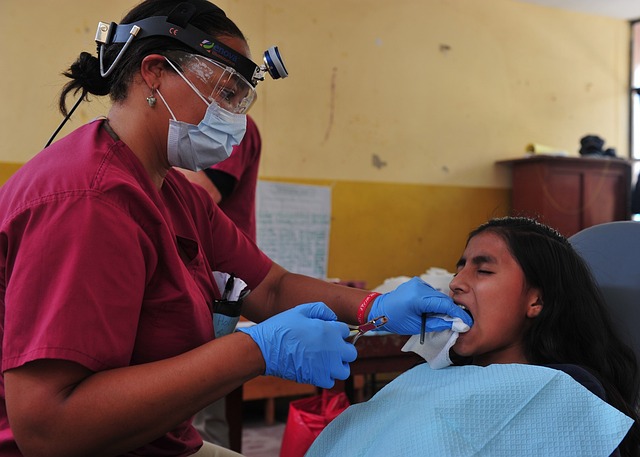
Key Symptoms of Tooth Decay to Watch For
Being vigilant about tooth decay means knowing what symptoms to look out for. Here are some telltale signs:
- Toothache: A constant or intermittent pain in your teeth that may worsen with pressure is a red flag.
- Sensitivity: A sudden discomfort when consuming hot, cold, sweet, or very acidic foods and drinks could indicate decay.
- Visible Damage: Keep an eye out for any holes or pits in your teeth, as these are clear indicators of cavities.
Should you notice any of these symptoms, it’s crucial to seek dental advice promptly. Ignoring them could lead to more severe problems, including infections that can affect your overall health and potentially impact your pregnancy.
Remember, dental checkups are not only safe during pregnancy but also highly recommended. Your dentist can help you manage tooth decay and provide treatments that are safe for you and your baby.
Safe Pain Relief Options
Dealing with tooth pain during pregnancy can be challenging, but there are safe options for relief. It’s crucial to avoid medications that could harm your developing baby, so always consult with your healthcare provider before taking any painkillers. Often, remedies like a cold compress or saltwater rinse can provide temporary relief. For more persistent pain, your dentist might recommend acetaminophen, which is generally considered safe for use during pregnancy, but again, only under the guidance of a healthcare professional.
When to See a Dentist
If you’re experiencing any of the symptoms of tooth decay, it’s time to see a dentist. Don’t wait for your regular checkup—early intervention is key. Besides that, if you have severe pain, swelling, signs of infection, or any other urgent concerns, seek dental care immediately. Regular dental visits allow for the management of minor issues before they escalate into more significant problems that could complicate your pregnancy.
You can find additional information about Dental Health during pregnancy here.
Professional Dental Care While Pregnant
Professional dental care is not only safe but essential during pregnancy. Dental professionals are well-versed in the care of pregnant patients and can provide treatments and advice that protect both your health and your baby’s. For more information on maintaining oral health, consider exploring gum disease treatment remedies.
Option A.
During your visits, inform your dentist about all medications and prenatal vitamins you’re taking, as well as any specific medical advice your doctor has given you. This information helps your dental team provide the safest care possible.
Debunking Myths About Dental Procedures and Pregnancy
There are many misconceptions about dental care during pregnancy, but here are the facts:
- X-rays are safe when necessary, with proper shielding.
- Local anesthetics are permissible, and your dentist will choose the safest option.
- Cleaning, cavity filling, and other essential treatments are not just safe but recommended.
Delaying necessary dental work can lead to more significant complications, so it’s important to follow through with recommended care.
Post-Pregnancy Dental Health: Maintaining Your Smile
Once your baby arrives, it’s easy for your own health needs to take a back seat, but maintaining your dental health is just as important post-pregnancy. Hormonal changes continue to affect your oral health, and issues like gum disease can have long-term impacts if not addressed.
Continuity of Oral Care After Delivery
Continue with regular dental checkups and cleanings after delivery. If you experienced any gum disease or tooth decay during pregnancy, follow-up treatments might be necessary. Now is also a good time to address any dental work that was postponed during your pregnancy.
Besides that, remember that good oral hygiene doesn’t end with the birth of your child. Continue brushing twice a day, flossing daily, and using an antimicrobial mouthwash to keep your teeth and gums healthy.
Baby’s Oral Health: Getting Off to a Good Start
Did you know that your oral health can influence your baby’s? Bacteria that cause tooth decay can be transmitted from mother to baby, so maintaining your oral health can help protect your newborn. As soon as your baby’s first tooth appears, it’s time to start thinking about their dental care. Wipe your baby’s gums with a soft cloth after feedings and begin brushing their teeth with a tiny smear of fluoride toothpaste when they emerge. For more information, check out these tips and techniques for preventing gum disease.
Most importantly, set the stage for a lifetime of good dental habits by taking care of your teeth and modeling positive behaviors. That way, you’re not just looking after your own smile, but you’re also laying the foundation for your baby’s oral health future.
Frequently Asked Questions
When it comes to tooth decay during pregnancy, many questions arise. It’s crucial to address these concerns to ensure the health and safety of both the expectant mother and the baby. Here are some frequently asked questions and their answers.
Can Tooth Decay During Pregnancy Affect My Baby?
Yes, tooth decay during pregnancy can have implications for your baby. The bacteria responsible for tooth decay can be passed from mother to baby, which may increase the child’s future risk of tooth decay. Additionally, severe untreated dental infections during pregnancy can be associated with adverse outcomes such as preterm birth. Therefore, maintaining good oral hygiene and seeking dental care during pregnancy is vital.
What Are the Safest Dental Treatments During Pregnancy?
The safest dental treatments during pregnancy are preventive procedures such as dental cleanings and routine exams. Treatments for cavities, such as fillings, are also safe, especially during the second trimester. Always ensure that your dental professional is aware of your pregnancy so that they can take appropriate precautions and select the safest treatment options. For more information on pregnancy and oral health, visit the CDC’s feature on this topic.
How Can I Distinguish Tooth Decay from Normal Toothaches in Pregnancy?
Toothaches during pregnancy can occur due to various reasons, including tooth decay, gum disease, or even just increased blood flow causing sensitivity. If you experience a toothache, look for additional signs of decay, such as visible holes or dark spots on your teeth, persistent bad breath, or an unpleasant taste in your mouth. If any of these symptoms are present, it’s likely not just a normal toothache, and you should consult a dentist.
Is It Normal to Have Bleeding Gums During Pregnancy?
It is not uncommon for pregnant women to experience bleeding gums, a condition known as pregnancy gingivitis. Hormonal changes during pregnancy can make your gums more susceptible to inflammation and bleeding. However, with diligent oral hygiene and professional dental care, you can minimize this issue. If bleeding persists, it’s important to consult with your dentist to rule out more serious conditions.
What Should I Include in My Pregnancy Oral Hygiene Kit?
Your pregnancy oral hygiene kit should include: